


What is Augmented Reality?
Augmented reality is changing how people shop, learn, work, and interact with their surroundings. Digital objects can now appear in everyday environments through smartphones, tablets, and specialized glasses. Shoppers can preview furniture at home, while students explore interactive models of complex subjects. Businesses also use augmented reality to explain products, improve training, and support customer decisions. Understanding how this technology works reveals its practical value and growing influence across different industries.
What Augmented Reality is
Augmented reality (AR) adds digital content to a user’s physical surroundings in real time. It combines computer-generated images, information, and interactive elements with the environment people already see. Unlike fully virtual experiences, AR keeps users connected to their actual surroundings while adding useful digital details. The technology creates interactive experiences that make everyday activities more informative, engaging, and convenient.
How Augmented Reality Works
Augmented reality uses cameras, sensors, and software to understand the environment around a device. A smartphone camera captures the surroundings while specialized software analyzes surfaces, objects, and movement. The system then places digital elements within the camera’s view or a transparent display. These elements can include three-dimensional models, animations, text, or interactive instructions. As users move, the software adjusts digital content to keep it in place and maintain perspective. The result is a responsive experience that connects virtual information with physical surroundings.
What Makes AR Different From Virtual Reality?
Augmented reality and virtual reality create digital experiences, but they interact with physical surroundings differently. AR adds computer-generated content to the existing environment without completely replacing what users see. Virtual reality (VR) creates a simulated environment that users typically experience through specialized headsets. Someone using AR might see digital furniture inside their actual living room. A VR user could instead explore an entirely computer-generated house without seeing their physical surroundings. Both technologies support immersive experiences, but they serve different purposes and require different equipment.
Everyday Examples of Augmented Reality
Many people already use augmented reality without recognizing the technology behind their favorite applications. Social media filters place digital effects over faces and respond to facial movements. Shopping apps let customers preview furniture, eyewear, and other products before buying. Navigation apps can overlay directional arrows on live camera views of streets and buildings. Interactive games also place virtual characters and objects within real-world environments. These familiar examples show how AR connects digital convenience to everyday activities.
Different Types of Augmented Reality
Augmented reality systems use several methods to place digital information within physical environments. Some applications recognize visual markers, while others rely on cameras and environmental sensors. Certain systems display information based on location rather than identifying specific objects. Understanding these approaches helps explain why AR applications behave differently across devices and situations.
Marker-Based Augmented Reality
Marker-based AR uses recognizable images or patterns to activate digital content on a device. A camera identifies a predefined marker, such as a printed symbol or product label. The application then displays an associated animation, model, or interactive experience. Museums can use markers to reveal additional information about exhibits and historical objects. Educational materials may also include printed images that, when scanned, activate interactive diagrams. This approach works well when developers need reliable digital placement around clearly identifiable objects.
Markerless Augmented Reality
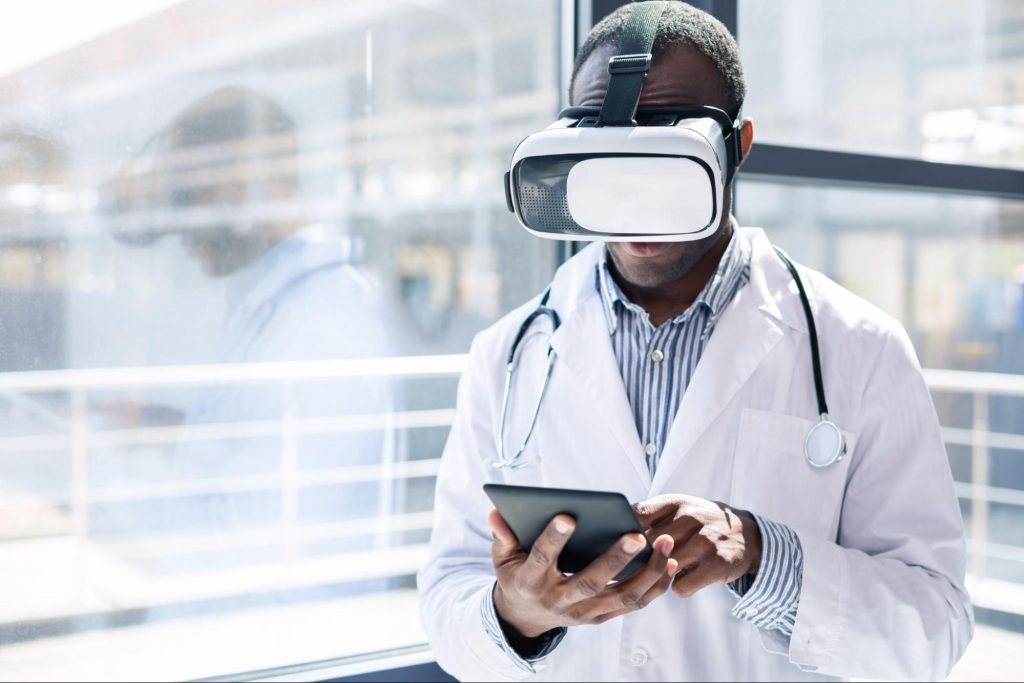
Markerless AR places digital objects without requiring printed symbols or predefined visual targets. Instead, the system analyzes surfaces, movement, and spatial information gathered through device sensors. Users can place virtual furniture on floors or digital decorations on walls. The application continuously tracks device movement to keep virtual objects aligned with their surroundings. Modern smartphones support many markerless experiences through built-in cameras and motion-tracking capabilities. However, poor lighting and featureless surfaces can reduce tracking accuracy and visual stability.
Location-Based Augmented Reality
Location-based AR uses geographic information to display digital content connected to specific places. Applications may combine GPS, compass readings, and device movement to estimate the user’s position. Tourism applications can provide information about landmarks as visitors explore unfamiliar destinations. Outdoor games can also place digital activities in parks, on streets, and at public attractions. Some navigation systems use location information alongside camera tracking to display helpful directions. Accuracy depends on environmental conditions, positioning signals, and the technology each application uses.
Technologies Behind AR Experiences
Successful augmented reality experiences depend on several technologies working together during everyday interactions. Cameras capture environmental information, while processors interpret visual details and calculate where to place digital elements. Sensors provide movement data that helps virtual elements respond naturally as users change positions. Software combines these inputs to create interactive experiences that appear connected to physical surroundings.
Cameras, Sensors, and Spatial Tracking
Cameras provide the visual information AR applications need to understand surrounding objects and surfaces. Motion sensors measure changes in device orientation, acceleration, and movement during an experience. Some devices also use depth sensors to estimate distances between objects and nearby surfaces. Spatial tracking software combines these signals to estimate the device’s position within an environment. This process helps digital objects remain anchored as users walk around or change viewing angles. Accurate tracking makes interactions feel more natural and reduces distracting movement or visual inconsistencies.
Computer Vision and Artificial Intelligence
Computer vision helps augmented reality software identify visual patterns, surfaces, and objects within camera images. The technology analyzes environmental features to determine where digital content should appear. Artificial intelligence can improve object recognition and support more responsive interactions with surrounding environments. For example, certain applications recognize products and display relevant information when users point their cameras. Machine learning can also help systems interpret gestures, facial movements, and other visual signals. Together, these capabilities make AR applications more adaptable to different environments and user needs.
AR Devices and Software Platforms
Smartphones remain among the most accessible devices for experiencing augmented reality applications. Tablets offer larger displays that can improve visibility during educational and professional activities. Specialized AR glasses display digital information while letting users see their physical surroundings. Developers use software development kits to create applications that support tracking, rendering, and interaction. Platforms such as Apple’s ARKit and Google’s ARCore provide tools for compatible mobile devices. Device capabilities affect application performance, supported features, and the overall experience.
How Augmented Reality is Used Today
Augmented reality has moved beyond entertainment into practical activities across several industries. Businesses use interactive digital content to communicate information and demonstrate products more effectively. Schools, healthcare organizations, and industrial workplaces also apply AR to specific learning and operational tasks. Its usefulness comes from presenting relevant information where people need it.

Education
Augmented reality gives students interactive ways to examine subjects that traditional materials cannot fully demonstrate. Science applications can display three-dimensional models of organs, molecules, and planetary systems. Students can rotate these models and observe details from different perspectives. History lessons may recreate historical objects or display digital information around physical exhibits. Teachers can use these experiences to support explanations and encourage active classroom participation. However, effective learning still depends on instructional quality, accessibility, and clearly defined educational goals.
Retail and Online Shopping
Retailers use augmented reality to help customers evaluate products before they buy. Virtual try-on applications show how certain glasses, cosmetics, or accessories might look on customers. Furniture apps let shoppers preview products in their existing living spaces. These experiences can help customers understand product proportions, appearance, and how well they fit their surroundings. Retailers may also use interactive product demonstrations to explain features that photographs cannot show clearly. Accurate sizing, realistic rendering, and transparent product information remain important for building customer confidence.
Medical Communications
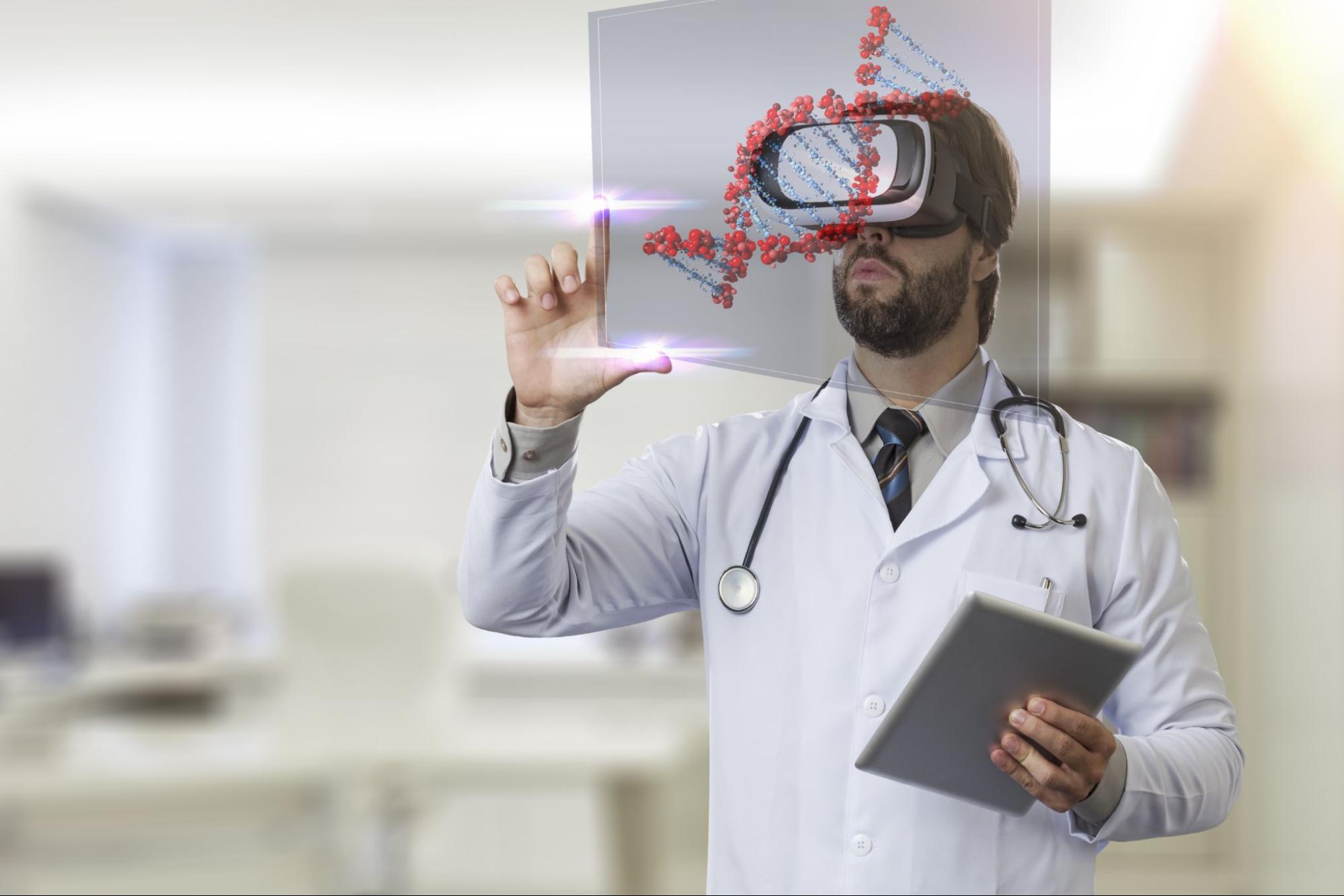
Augmented reality offers innovative ways to communicate complex scientific and medical information through interactive experiences. It combines digital elements with physical surroundings to make scientific concepts easier to visualize. Medical communications teams can use AR to illustrate anatomical structures, biological processes, and how treatments work. These experiences help healthcare professionals and other audiences engage with information beyond traditional presentations. With accurate scientific content, AR can make medical education more accessible and engaging. Its applications also extend to interactive training, scientific storytelling, and digital healthcare communications.
AR Applications in Business and Industry
Organizations increasingly explore augmented reality for tasks involving visualization, training, and technical communication. Digital instructions can appear near equipment, products, or physical workspaces during specific activities. This approach may reduce unnecessary reference switching and help employees understand complicated procedures. Businesses still need clear objectives and reliable technology before investing in large-scale implementation.
Manufacturing and Employee Training
Manufacturing companies can use augmented reality to display assembly instructions directly in the workspace. Employees may follow digital overlays that identify components and demonstrate specific installation steps. Training applications can also explain how to operate equipment without requiring demonstrations on active machinery. Interactive guidance helps workers connect technical instructions with the objects they handle. Some organizations use AR to support quality inspections and identify required maintenance procedures. Results depend on accurate instructions, workplace conditions, and proper integration with existing safety practices.
Architecture and Construction Planning
Architects can use augmented reality to display proposed designs within existing physical environments. Clients may examine digital building models before construction begins or major renovations proceed. During planning, construction teams can compare selected design elements with actual site conditions. These visual references help stakeholders discuss layouts, dimensions, and potential conflicts more clearly. AR can also support communication between designers, contractors, and property owners during project reviews. However, professional measurements and verified construction documents remain necessary for technical decisions.
Healthcare Marketing and Customer Engagement
Augmented reality helps healthcare organizations communicate medical information through interactive and engaging digital experiences. Pharmaceutical companies can use AR to demonstrate treatment mechanisms and explain complex scientific concepts. Healthcare marketers can also develop interactive educational materials that make medical information easier to understand. These experiences allow patients and healthcare professionals to explore relevant information beyond traditional presentations. AR also supports scientific storytelling and more personalized communication across different healthcare audiences. When developed with scientific accuracy, these applications can strengthen engagement and improve understanding of medical information.
Benefits and Limitations of AR Technology
Augmented reality offers practical advantages when digital information improves an existing task or experience. Users can examine products, follow instructions, and interact with visual information in context. However, technical limitations and privacy concerns can affect accessibility, reliability, and adoption. Evaluating both advantages and challenges provides a more realistic understanding of AR’s current capabilities.
Major Benefits of Augmented Reality
One advantage of augmented reality is its ability to simplify complex information. In certain situations, interactive visual models can communicate spatial relationships more clearly than static descriptions. Customers can also make more informed decisions after previewing products within familiar environments. Employees may benefit from contextual instructions that reduce repeated searches through separate training materials. AR can boost engagement when users actively interact with information rather than simply observing it. These benefits matter most when applications solve real problems and remain easy to use.
Challenges and Privacy Concerns
Augmented reality applications sometimes struggle with lighting conditions, inaccurate tracking, and limited device performance. Advanced experiences may require expensive equipment or substantial software development resources. Extended device use can also create discomfort, distraction, or battery-related limitations. Privacy concerns arise because some applications process camera images and information about surrounding environments. Developers must consider data collection, secure storage, permissions, and responsible handling of sensitive information. Clear privacy practices and accessible design help organizations build more trustworthy augmented reality experiences.
The Future of Augmented Reality Technology
Augmented reality development continues as hardware, computer vision, and artificial intelligence capabilities improve. Manufacturers are exploring lighter wearable devices with better displays and more efficient processing. Developers are also working toward applications that recognize environments and respond more intelligently. Future progress will depend on affordability, dependable performance, user comfort, and meaningful everyday applications.
Smarter AR Glasses and Wearable Devices
AR glasses could make digital information easier to access without constantly holding a smartphone. Wearable displays may provide navigation instructions, translated text, or contextual workplace information. Better battery efficiency and display technology could enable longer, more comfortable use. Voice commands and gesture recognition may also reduce dependence on conventional touch controls. However, manufacturers still face challenges involving weight, cost, privacy, and everyday usability. Wider adoption will depend on devices offering clear benefits without creating unnecessary inconvenience.
AI-Powered and More Personalized AR
Artificial intelligence could help augmented reality applications interpret surroundings with greater contextual awareness. Future systems may recognize relevant objects and provide information based on immediate user needs. An educational application could adjust explanations according to a learner’s progress and interactions. Workplace systems might identify equipment components and retrieve appropriate instructions during maintenance activities. Such capabilities require dependable recognition, accurate information, and careful management of personal data. Responsible development will determine how effectively personalized AR supports users without compromising trust.
Turn Augmented Reality Into Real-World Value
Augmented reality creates meaningful opportunities to communicate complex information through engaging digital experiences. In scientific and medical communications, it adds value by making complex concepts more accessible and interactive. Combining accurate scientific content with purposeful technology helps organizations connect more effectively with their audiences. Explore how AR solutions can bring scientific ideas to life and support more impactful communication.
Curious about how technology is changing scientific and medical communications? Explore the Shaw Science Partners, Inc blog for practical insights, industry trends, and innovative ideas.