



The Role of Computer Animation in Pharmaceutical Communications
Scientific breakthroughs deserve clear explanations, yet many medical concepts remain difficult for people to understand. Long reports, technical diagrams, and complex terminology can make even important discoveries feel inaccessible. Visual storytelling offers a more engaging way to present information without compromising scientific accuracy. Through carefully designed digital animation, pharmaceutical companies can explain complex ideas in a way that feels natural and easier to follow. As healthcare communication continues to evolve, animated content has become a valuable resource for education, collaboration, and informed decision-making.
What is Computer Animation?
Computer animation in pharmaceutical communications refers to the use of digital motion graphics and scientific visualization to explain medical concepts, disease processes, treatment mechanisms, and clinical evidence. Pharmaceutical companies use these visual tools to support medical education, product launches, healthcare professional training, patient education, scientific presentations, and internal communications. Instead of relying solely on text or static illustrations, animation presents information through movement, narration, and carefully sequenced visuals. This approach helps audiences understand complicated subjects more quickly while maintaining scientific accuracy and consistency.
Why Visual Science Communication Matters
Scientific information often involves processes that cannot be observed directly. Explaining those processes through text alone can leave audiences with unanswered questions or an incomplete understanding. Visual communication connects ideas in a logical sequence, making scientific concepts easier to absorb. Animation creates that connection by turning abstract medical information into meaningful visual experiences.
Complex Medical Concepts Become Easier to Follow
Many pharmaceutical products work by influencing biological activities inside cells, tissues, or organs. Those interactions can be difficult to explain with written descriptions or static graphics alone. Computer animation presents each stage in order, allowing viewers to understand how treatments interact with the body over time. Instead of interpreting multiple diagrams, audiences follow one continuous visual explanation. This structured approach reduces confusion without removing important scientific details. As a result, healthcare professionals, patients, and business stakeholders gain a clearer understanding of how therapies work.
Visual Learning Improves Understanding and Recall
People tend to remember information more effectively when they both see and hear it. Animation combines narration, movement, illustrations, and timing into one coordinated learning experience. Each visual sequence builds naturally on the previous one, making information easier to organize and remember. Rather than presenting isolated facts, animation develops a complete scientific story from beginning to end. This learning experience supports stronger comprehension during presentations, training sessions, and educational programs. Better understanding also encourages more confident discussions after the presentation ends.
Common Uses of Computer Animation
Pharmaceutical communication reaches many audiences throughout a product’s lifecycle. Researchers, physicians, commercial teams, patients, investors, and healthcare organizations all require different levels of scientific detail. Animated content adapts to those varying needs without changing the underlying science. This flexibility allows organizations to communicate one consistent message across multiple channels.
Mechanism of Action Animations
One of the most common applications involves explaining how medicines work inside the body. Mechanism-of-action animations illustrate how a treatment interacts with specific cells, receptors, proteins, or biological pathways. These animations simplify events that cannot be observed in routine clinical practice. Instead of describing complex molecular interactions through lengthy text, the animation demonstrates each step visually. Healthcare professionals can quickly understand how a therapy differs from existing treatment options. This visual clarity supports medical education, scientific discussions, and product launch activities.
Disease State Animations
Understanding a disease often begins with understanding how it develops. Disease state animations explain the biological changes that occur before symptoms appear and as conditions progress. These visual stories help audiences connect the underlying science with real health outcomes. Patients gain a better understanding of why treatments are necessary, while healthcare professionals can communicate more effectively during consultations. Medical education programs also benefit because learners see disease progression as one continuous process rather than isolated events. This broader perspective strengthens scientific understanding across different audiences.
Clinical Trial Visualizations
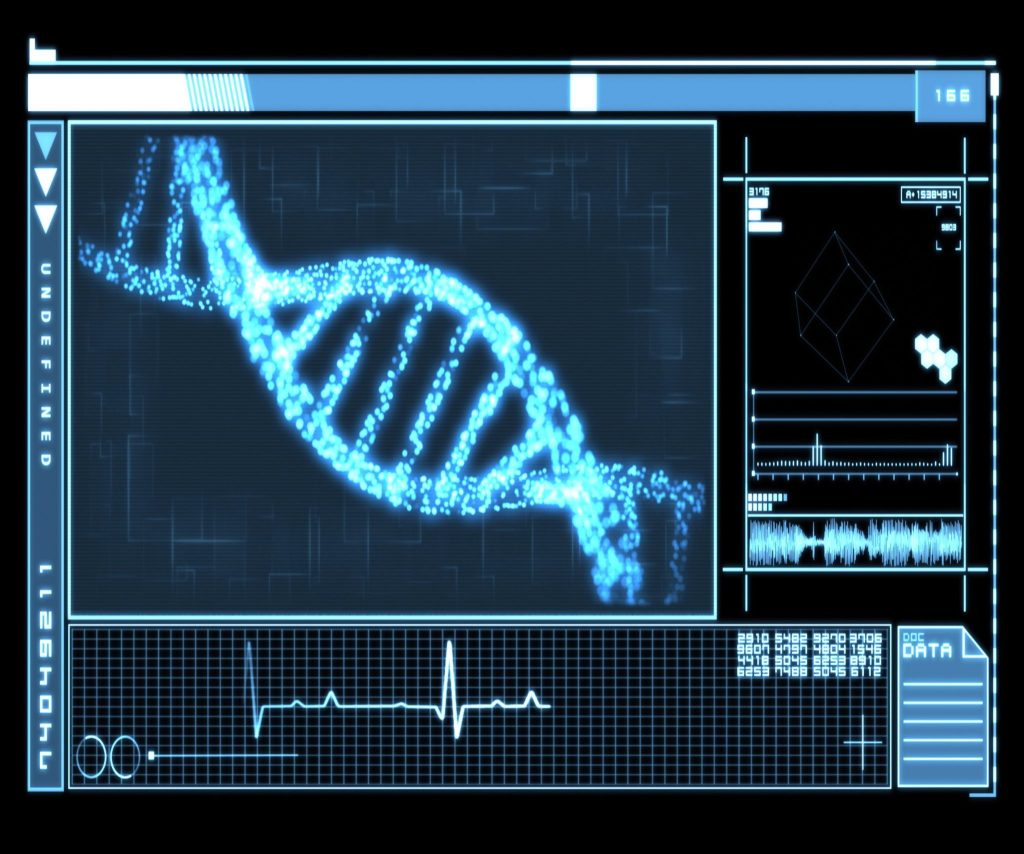
Clinical research generates large amounts of information that can overwhelm many audiences. Animation organizes study designs, treatment comparisons, and research findings into clear visual narratives. Rather than relying entirely on graphs or tables, presenters can guide viewers through important results step by step. This presentation style helps explain how studies were conducted and what the findings mean in practical terms. Scientific accuracy remains the priority while improving overall comprehension. Researchers, healthcare professionals, and business teams all benefit from clearer communication of clinical evidence.
Patient Education Videos
Medical appointments often introduce unfamiliar terminology that patients may struggle to remember later. Animated educational videos simplify treatment information without feeling overly technical or intimidating. Viewers can better understand how medications work, what to expect during treatment, and why following medical advice matters. The combination of narration and visuals answers common questions before confusion develops. Patients who understand their treatment plans often participate more confidently in conversations with healthcare providers. Better communication ultimately supports more informed healthcare decisions.
How Animation Improves Pharmaceutical Communication
Scientific information becomes more valuable when audiences can understand it without unnecessary complexity. Traditional communication methods often struggle to explain biological processes that cannot be directly observed. Animated visuals bridge that gap by presenting complex concepts through clear, logical storytelling.
Clearer Scientific Learning Across Audiences
Healthcare professionals continue learning as new therapies, research findings, and clinical evidence emerge. Educational materials must communicate those updates clearly without overwhelming busy audiences. Visual storytelling supports continuous learning by making scientific information more engaging and easier to understand.
Better Understanding of Disease Progression
Many medical conditions develop gradually through biological changes that remain invisible without scientific visualization. Static illustrations often show only individual stages, making it difficult to understand the complete process. Animated sequences connect those stages into one continuous explanation that reflects how diseases develop over time. Learners see the relationship among cellular changes, symptoms, and treatment options in a single presentation. This broader perspective encourages deeper understanding instead of simple memorization.
More Engaging Scientific Presentations
Scientific presentations often include valuable information, but lengthy slides filled with technical content can reduce audience engagement. Motion-based visuals naturally direct attention toward important concepts as speakers explain them. Each sequence supports the presentation without distracting from the scientific message. Audiences spend less time interpreting diagrams and more time understanding the information being discussed. This balanced approach creates presentations that feel informative, engaging, and professionally polished.
Stronger Communication During Product Launches
Launching a new therapy involves much more than introducing a product to the market. Every communication should present accurate scientific information while remaining understandable for different audiences. Visual content helps unify those efforts by providing one clear explanation that supports every stage of communication.
More Memorable Product Narratives
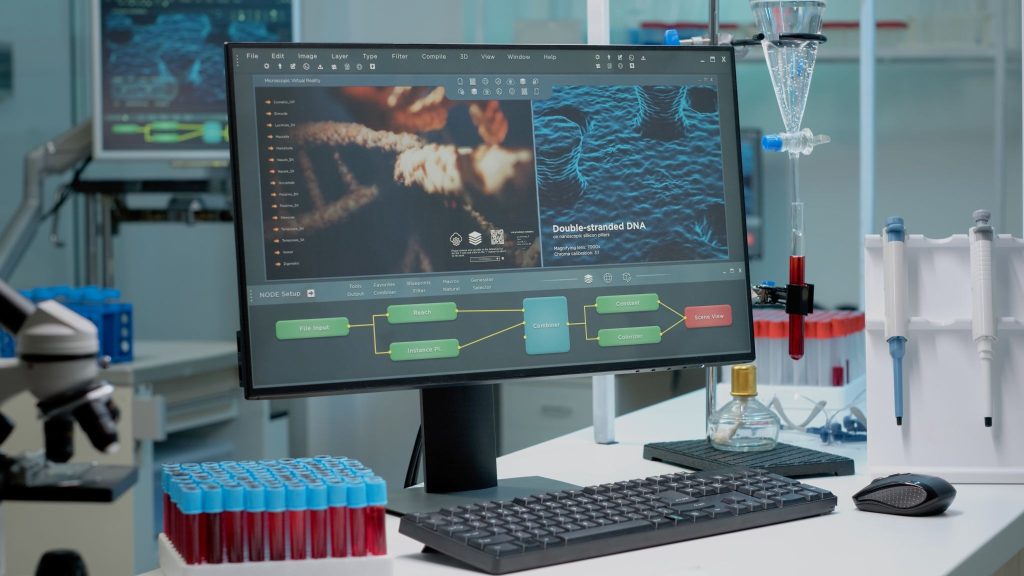
Introducing a new treatment often requires explaining what makes it different from existing therapies. Animated storytelling presents that information through a logical visual sequence rather than as isolated technical details. Audiences first understand the medical problem before learning how the treatment addresses it. This progression creates a stronger context for discussing clinical evidence and therapeutic value. Rather than memorizing disconnected facts, viewers follow a complete scientific narrative. That experience makes important product information easier to understand and remember.
Better Alignment Across Teams
Successful pharmaceutical launches depend on collaboration across many departments. Medical affairs, commercial teams, regulatory specialists, marketing professionals, and leadership groups must communicate the same scientific message. Shared visual resources provide a common reference that supports consistent understanding throughout the organization. Training becomes more effective because every team learns from the same scientifically reviewed material. This consistency reduces communication gaps while strengthening collaboration across departments.
Greater Confidence in Scientific Content
Scientific communication depends on credibility as much as clarity. Even the most engaging visuals lose value if the information is incomplete or misleading. Every visual element should reflect current medical evidence and approved scientific messaging.
Expert Review Behind Every Visual
Creating pharmaceutical visual content requires more than artistic skill. Medical experts, researchers, and scientific reviewers work alongside designers throughout the production process. They verify biological processes, medical terminology, and clinical evidence before content reaches its intended audience. Their involvement helps prevent inaccuracies that could confuse viewers or weaken credibility. Creative teams then translate that verified information into visuals that are both engaging and easy to understand. This collaborative process produces educational materials that balance scientific precision with effective communication.
Consistent Messages Across Every Channel
Pharmaceutical information appears in presentations, websites, webinars, training materials, and educational campaigns. Every communication should deliver the same scientific message regardless of where audiences encounter it. Professionally developed visual content helps standardize terminology, graphics, and explanations across different platforms. This consistency reduces misunderstandings while reinforcing trust among healthcare professionals and other stakeholders. Internal teams also benefit because they rely on the same approved educational resources. A unified communication strategy creates stronger confidence in both the information and the organization presenting it.
Broader Reach Through Digital Platforms
People now consume health information through many digital channels. Educational content must adapt to different devices, platforms, and viewing preferences without losing scientific value. Dynamic visual content works well across these environments because it combines education with engaging storytelling.
More Effective Conference Presentations
Medical conferences introduce new research, clinical evidence, and treatment innovations throughout the year. Speakers often have limited time to explain highly technical information. Visual presentations simplify complicated concepts through sequential graphics that support each spoken explanation. Attendees spend less time interpreting diagrams and more time understanding the research itself. This clearer presentation style encourages meaningful conversations during discussions and networking sessions. Scientific meetings become more productive when audiences leave with a stronger understanding of the information presented.
Continuous Learning Across Digital Channels
Educational resources no longer exist only in conference rooms or printed materials. Healthcare professionals regularly access webinars, online learning platforms, and educational websites throughout their careers. Patients also seek reliable information before and after speaking with healthcare providers. Visual educational content fits naturally into these digital environments because it explains complex subjects in a concise, engaging format. Organizations can also adapt one production into shorter educational clips, website content, or social media resources. This flexibility allows valuable scientific content to reach audiences in more meaningful ways.
Smarter Scientific Communication for the Future
Advances in technology continue shaping how pharmaceutical companies communicate scientific information. Modern digital experiences now support more interactive and personalized learning than ever before. At the same time, scientific accuracy remains the foundation of every successful communication project.
More Interactive Learning Experiences
Digital educational content is becoming more interactive across learning platforms. Learners can explore medical illustrations, choose different learning paths, and revisit specific topics at their own pace. This level of interaction encourages greater participation compared with traditional presentations alone. Healthcare professionals can focus on information most relevant to their practice or specialty. Patients also benefit from educational experiences that answer common questions more clearly. Interactive learning creates opportunities for deeper understanding while supporting different learning styles.
Faster Production With Human Expertise
Artificial intelligence is becoming part of many creative production workflows. It can assist with planning, rendering, editing, and organizing visual assets more efficiently. However, AI cannot replace the scientific judgment required for pharmaceutical communications. Medical experts, scientific reviewers, writers, and designers remain responsible for verifying every fact and visual representation. Human expertise continues to guide decisions that affect medical accuracy and regulatory compliance. Technology delivers the best results when it supports experienced professionals rather than replacing them.
Enhance Scientific Communication Through Animation
Scientific discoveries deserve communication that people can understand and remember. Computer animation helps bridge the gap between complex research and clear, meaningful education without compromising scientific accuracy. Partnering with experienced scientific communication specialists allows organizations to deliver engaging visual content that informs diverse audiences, strengthens credibility, and supports better conversations throughout the pharmaceutical journey. Every scientific message deserves clarity. Visit the Shaw Science Partners Inc. blog for practical insights into medical communications and scientific storytelling.