



MSL Training Programs: A Guide
Medical science liaisons face rising expectations as clinical research and treatment options grow more complex. They must understand scientific evidence and communicate it accurately to healthcare professionals. However, advanced scientific qualifications alone do not prepare professionals for every medical affairs responsibility. MSL training programs bridge these gaps through structured scientific education, practical communication exercises, and specialized learning experiences. Effective training also helps biopharmaceutical companies prepare their medical teams for new therapies and product launches.
Understanding Medical Science Liaison Training
Medical science liaison training builds the scientific and communication skills medical affairs teams need. Programs help professionals interpret clinical information and discuss research with healthcare stakeholders. Training may also support product launches by building knowledge around emerging therapies and disease areas. A structured approach connects scientific expertise with the practical demands of professional medical communication.
What Are MSL Training Programs?
MSL training programs are educational initiatives designed for medical science liaisons and medical affairs teams. They develop the knowledge needed to communicate complex scientific information clearly and accurately. Training commonly addresses clinical evidence, disease mechanisms, therapeutic developments, and professional scientific exchange. Programs may combine scientific presentations with interactive exercises and realistic clinical scenarios. Biopharmaceutical organizations can also customize training around specific products and therapeutic areas. The goal is to prepare MSLs to have informed discussions with healthcare professionals and scientific leaders.
Who Benefits From MSL Training?
MSL education supports professionals entering medical affairs and experienced liaisons expanding their scientific responsibilities. New MSLs may need guidance on scientific exchange, industry expectations, and interpreting clinical evidence. Experienced professionals often require additional education when their organizations introduce new products or indications. Medical affairs managers can use training to establish consistent scientific understanding across their teams. Biopharmaceutical companies also benefit when educational initiatives support their broader scientific communication strategies. The strongest programs target specific knowledge gaps rather than treating every participant the same.
Core Skills Developed Through MSL Education
Medical science liaisons need more than detailed product knowledge. Their responsibilities demand scientific judgment, communication skills, and an understanding of clinical practice. Training develops these abilities through focused education and opportunities to apply scientific concepts. Programs become more useful when learning activities reflect situations encountered during professional medical interactions.
Clinical Research and Scientific Interpretation
MSLs regularly examine clinical trial results, published research, and evolving treatment recommendations. Training teaches participants to assess study designs, patient populations, clinical endpoints, and research limitations. Learners develop skills for interpreting findings without overstating their clinical significance. Scientific education also strengthens understanding of disease mechanisms and emerging therapeutic approaches. Programs can incorporate product-specific evidence to support discussions about new treatment developments. These capabilities help MSLs communicate scientific findings accurately while acknowledging uncertainty in the available evidence.
Scientific Communication and Presentation
Explaining complex clinical information requires clarity without sacrificing scientific accuracy. MSL training develops presentation skills through structured lessons, discussions, and practical exercises. Participants learn to organize evidence around meaningful clinical questions and scientific concepts. They also practice answering challenging questions and adjusting explanations to different professional audiences. Well-designed educational materials can support consistent communication across medical affairs teams. Clear scientific presentations help healthcare professionals understand research findings and their potential clinical relevance.
Professional Scientific Engagement
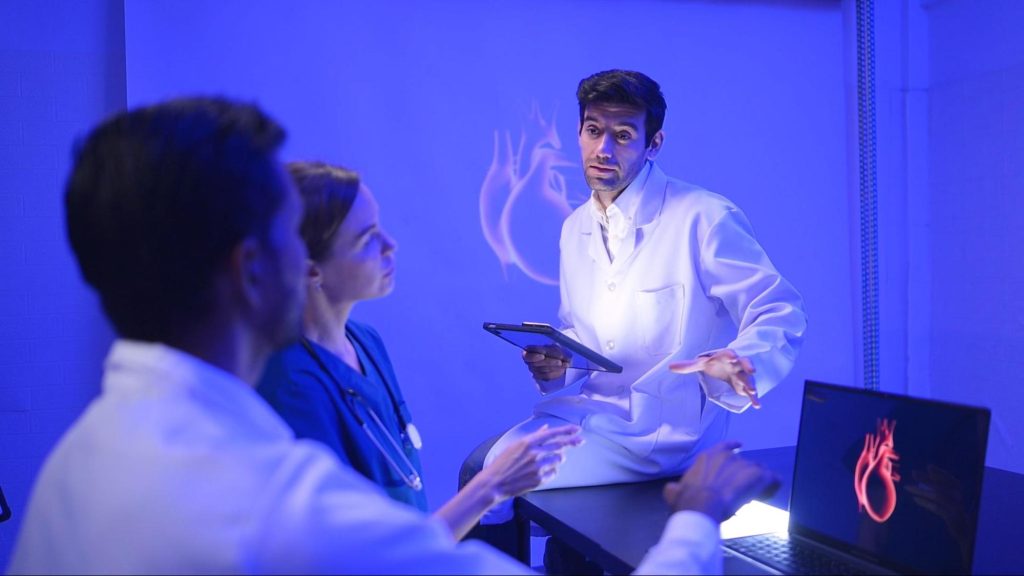
MSLs build professional relationships through credible scientific discussions rather than promotional conversations. Training introduces appropriate approaches to engaging physicians, researchers, and other healthcare professionals. Participants learn to recognize scientific information needs and respond with balanced evidence. Practical exercises may address challenging questions, conflicting research findings, and unfamiliar clinical scenarios. Programs should also reinforce ethical conduct and relevant medical affairs compliance requirements. These skills support productive scientific exchange while maintaining appropriate professional boundaries.
Building a Strong Scientific Training Foundation
Effective medical education begins with a thorough understanding of the science behind a therapy. Disconnected facts make complex clinical concepts hard to explain and remember. A coherent scientific framework helps training participants connect research findings with broader therapeutic knowledge. Biopharmaceutical organizations can use that foundation to develop consistent educational content across medical affairs activities.
Developing Scientific Platforms and Messaging
A scientific platform organizes important evidence and concepts surrounding a product or therapeutic area. It defines the central scientific themes that support future education and communication. Training developers use these themes to connect disease biology, clinical findings, and therapeutic mechanisms. A shared scientific vocabulary also helps teams explain technical concepts more consistently. Scientific messages should remain accurate, balanced, and appropriate for their intended professional audiences. A well-developed platform gives MSL training a clearer structure and reduces unnecessary information gaps.
Making Complex Science Easier to Understand
Educators can simplify complex scientific information by organizing related concepts into clear, structured explanations. A well-developed scientific narrative helps learners understand difficult topics without losing important details. For example, Shaw Science Partners uses its Science Story® approach to connect complex product science with clear scientific messaging. The approach starts with a thorough understanding of the underlying science, then organizes the information into a coherent narrative. Visual elements and consistent terminology can further improve comprehension across different educational formats. Such methods help medical affairs professionals understand scientific concepts and communicate them more effectively.
Connecting Scientific Evidence With Clinical Context
Clinical evidence becomes more meaningful when training explains how it relates to patient care. Programs should connect disease mechanisms, treatment pathways, and relevant research findings. Participants can examine how study populations and clinical endpoints shape their interpretation of evidence. Case-based discussions help learners understand the questions healthcare professionals may raise. Scientific narratives can organize these relationships without replacing balanced evaluation of the research. This connection supports more relevant and informed discussions during medical affairs interactions.
Interactive Methods for Medical Affairs Training
Traditional presentations provide useful information, but they cannot address every learning objective. Interactive education gives participants more opportunities to engage directly with scientific material. Different formats can explain complex mechanisms, demonstrate clinical situations, or reinforce important concepts. Training developers should select methods based on the audience and intended educational outcomes.

Clinical Simulations and Patient Experiences
Clinical simulations introduce medical concepts through scenarios resembling real healthcare situations. Participants can examine patient characteristics, treatment considerations, and relevant scientific evidence. These experiences encourage learners to connect theoretical knowledge with practical clinical questions. Patient management experiences can also present information through structured, patient-focused educational activities. Interactive scenarios should reflect accurate clinical information and clearly defined learning objectives. Used appropriately, simulations provide another way to strengthen scientific understanding and professional preparation.
Medical Animation and Scientific Video
Some medical concepts are difficult to explain through text or static presentations alone. Medical animation can illustrate biological pathways, disease progression, and therapeutic mechanisms in a clear, engaging format. Videos can also simplify complex clinical findings and demonstrate relationships between scientific processes. These visual tools help learners understand information that conventional methods struggle to convey. Integrating animation and video into MSL training supports different learning preferences and reinforces scientific concepts. Well-designed visual content can also improve knowledge retention and strengthen scientific communication skills.
Digital and Immersive Learning Experiences
Digital education offers additional ways to present scientific content to medical affairs teams. Interactive programs can guide learners through complex information at an appropriate pace. Webcasts let organizations distribute educational presentations to professionals in different locations. Augmented reality and virtual reality can create immersive experiences for selected scientific concepts. However, sophisticated technology should serve a clear educational purpose rather than distract from the science. The most appropriate format depends on training goals, content complexity, and participant needs.
Preparing MSL Teams for Product Launches
New biopharmaceutical products introduce scientific information that medical affairs teams must understand before launch. MSL training can help professionals become familiar with emerging evidence and therapeutic developments. Prelaunch education also connects scientific preparation with broader medical communication activities. Coordinated training helps teams approach complex scientific discussions with a shared understanding of the evidence.
Prelaunch Scientific Education
Prelaunch MSL education focuses on the science surrounding an emerging treatment. Training may address disease biology, mechanisms of action, clinical development, and relevant research findings. Participants learn how scientific evidence relates to current treatment approaches and unmet medical needs. Programs should distinguish established findings from questions that require further investigation. Educational materials can also reflect scientific platforms developed during earlier product planning activities. This preparation helps medical teams discuss emerging therapies accurately within appropriate regulatory boundaries.
Speaker Programs and Scientific Symposia
Speaker programs and scientific symposia provide opportunities to share clinical research and discuss therapeutic developments. Speaker presentations use structured scientific content to communicate research findings clearly and consistently. Scientific symposia foster deeper discussion of emerging evidence, treatment approaches, and clinical challenges. Both formats help healthcare professionals examine scientific information from different perspectives. Incorporating these educational approaches into medical affairs training can strengthen presentation skills and scientific communication. They also support broader knowledge exchange and help MSLs prepare for meaningful professional discussions.
Choosing an MSL Training Provider
Selecting a medical education partner requires more than comparing course descriptions and delivery formats. Biopharmaceutical organizations need providers that can understand complex science and develop appropriate educational materials. Training should reflect therapeutic priorities, professional responsibilities, and the intended learning audience. Evaluating scientific expertise and communication capabilities helps organizations identify a suitable partner.
Scientific Expertise and Industry Experience
Medical education providers should demonstrate strong scientific knowledge and relevant healthcare industry experience. Qualified specialists can interpret complex research and develop educational content grounded in clinical evidence. Multidisciplinary teams may include physicians, scientists, medical communicators, and creative professionals. Providers with experience supporting biopharmaceutical product launches can also offer valuable insights into scientific training requirements. Their familiarity with therapeutic developments and industry expectations helps them create relevant educational materials. Evaluating these qualifications can help organizations select MSL training providers that meet their scientific and professional development needs.
Customized Content and Educational Design
Training needs vary by therapeutic area, product complexity, and participant experience. Organizations should seek educational solutions that address clearly defined scientific and communication objectives. Customized programs can incorporate relevant clinical evidence, scientific messaging, and suitable presentation formats. Interactive experiences may support topics that are difficult to explain through conventional instruction. Providers should also demonstrate how their educational approach connects scientific accuracy with audience understanding. Reviewing these capabilities helps organizations choose training that supports practical medical affairs responsibilities.
Equip Medical Affairs Teams With Effective MSL Training
Scientific knowledge creates greater value when professionals can apply it confidently in real-world discussions. Effective MSL training bridges the gap between understanding clinical evidence and communicating it clearly. Targeted education prepares medical affairs teams to meet evolving scientific expectations and engage healthcare professionals more effectively. Choose training that builds practical expertise and prepares your team for the challenges ahead.
Keep your scientific knowledge growing beyond the training room. Discover expert insights, educational resources, and industry perspectives on the Shaw Science Partners, Inc. blog.