


Benefits of Clinical Simulations
Healthcare professionals face situations where quick decisions can change a patient’s outcome. However, developing the necessary skills takes more than classroom instruction and textbook knowledge. Students and experienced practitioners need opportunities to practice procedures without risking patients. Clinical simulations provide realistic learning experiences that connect medical knowledge with practical skills. Through structured scenarios, healthcare teams can build confidence, strengthen judgment, and deliver safer care.
What Are Clinical Simulations?
Clinical simulations are structured training experiences that recreate real healthcare situations in controlled environments. They let participants practice clinical procedures, communication, and decision-making without exposing real patients to unnecessary risk. Training may involve medical mannequins, virtual environments, standardized patients, or realistic hospital equipment. Each approach helps learners connect theoretical knowledge with practical responsibilities they will encounter in healthcare settings.
How Simulation-Based Training Works
Simulation-based training begins with a specific learning objective and a realistic patient scenario. Instructors set up the clinical setting and explain the equipment participants will use. Learners then assess the simulated patient, identify problems, and select appropriate interventions. Some scenarios involve routine examinations, while others recreate emergencies requiring immediate medical attention. Instructors observe performance and provide feedback after participants complete the assigned clinical activities. Participants can repeat challenging procedures until they demonstrate greater accuracy, confidence, and understanding.
Common Types of Healthcare Simulations
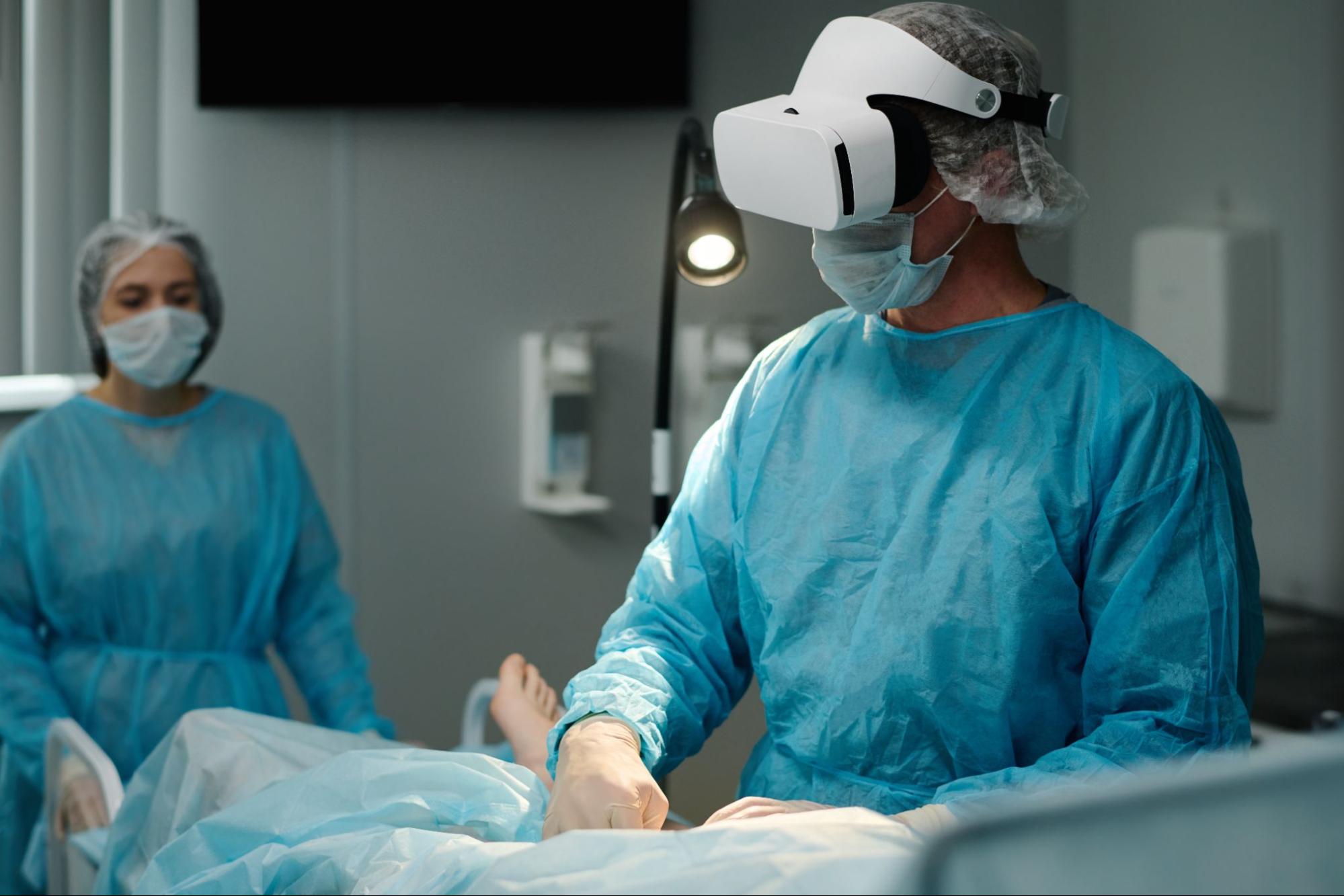
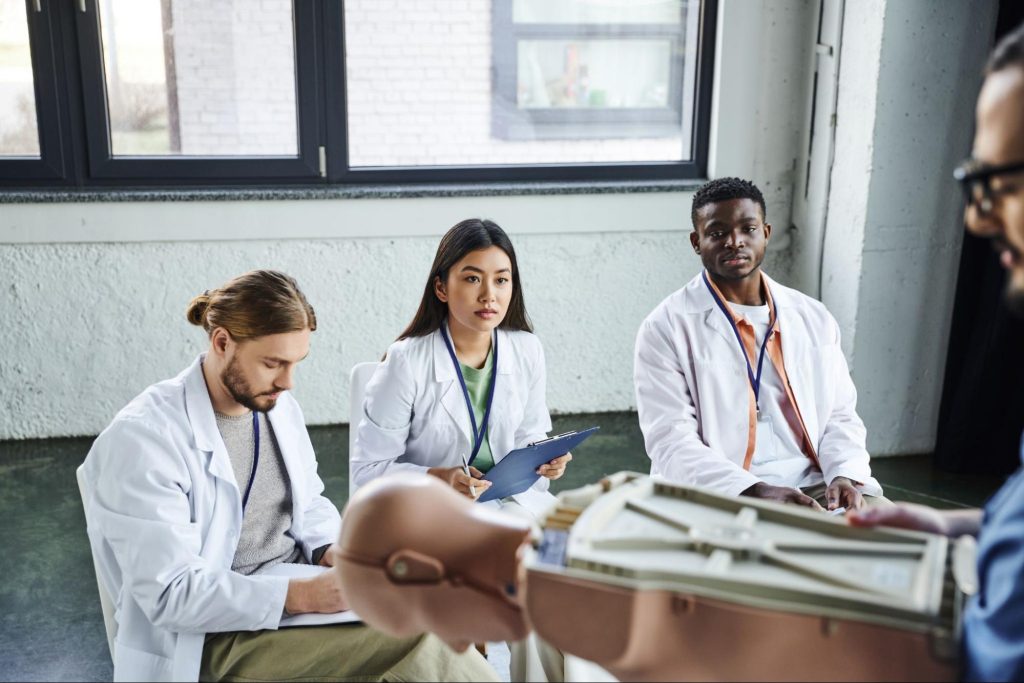
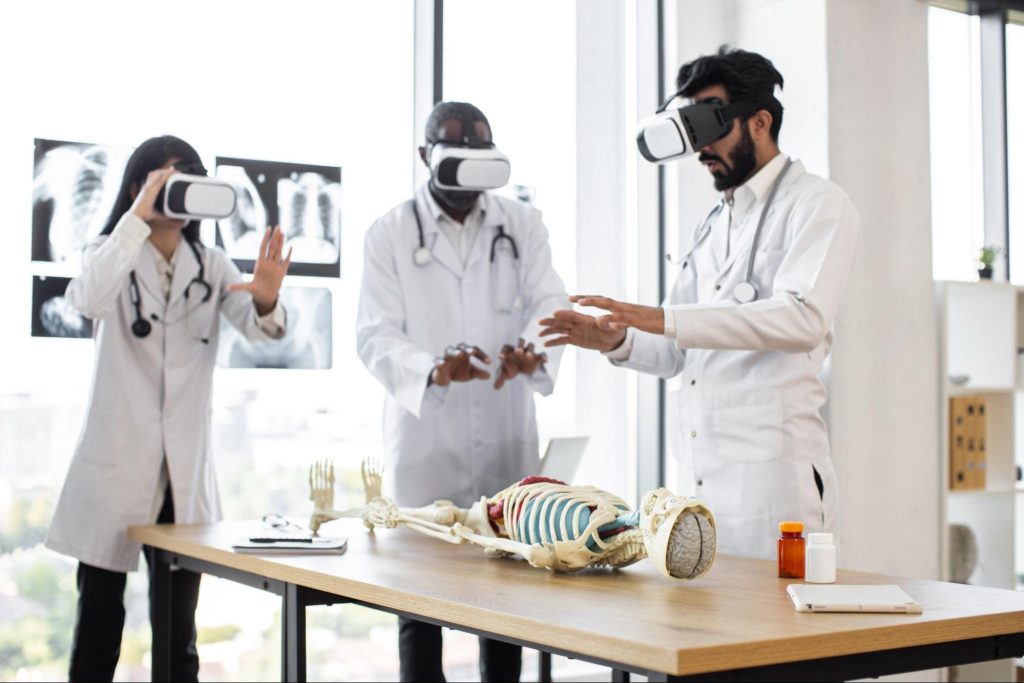
Healthcare organizations use different simulation methods depending on their training objectives and available resources. High-fidelity mannequins can reproduce breathing patterns, heart sounds, and changing vital signs. Standardized patients are trained individuals who portray medical conditions during consultations and examinations. Virtual reality simulations let learners practice clinical situations in interactive digital environments. Task trainers focus on specific procedures, including injections, catheter insertion, and airway management. Each method supports practical learning while offering different levels of realism, complexity, and interaction.
Key Benefits of Clinical Simulation Training
Clinical simulation training offers practical advantages that extend beyond traditional healthcare education. It helps medical professionals build essential skills while preparing for real patient-care situations. These advantages show why simulation-based learning has become valuable across healthcare settings.
Improved Patient Safety Through Practice
Patient safety depends on accurate assessments, timely interventions, and consistent adherence to clinical procedures. However, healthcare professionals may encounter unfamiliar situations that challenge their existing knowledge and experience. Simulated clinical environments let them recognize mistakes before they affect actual patients. Repeated practice also helps participants develop safer habits when performing procedures under pressure.
Reduced Risk of Preventable Medical Errors
Clinical simulations let healthcare professionals identify potential errors in realistic patient care scenarios. Participants may encounter incorrect medication orders, unexpected symptoms, or changes in a patient’s condition. They must recognize these problems and respond using appropriate clinical procedures and safety protocols. Instructors can examine mistakes and explain how different decisions might affect patient outcomes. Learners then practice correcting their actions without harming an actual patient. Over time, structured training can strengthen attention to detail and support safer clinical performance.
Better Preparation for Medical Emergencies
Medical emergencies require healthcare professionals to assess changing conditions and act without unnecessary delays. Simulation exercises recreate situations such as cardiac arrest, severe allergic reactions, and respiratory distress. Participants practice identifying warning signs while selecting interventions based on established clinical guidelines. Team members also learn how to coordinate responsibilities when several treatments require immediate attention. Repeated exposure helps learners become more familiar with emergency equipment, protocols, and communication procedures. Although simulated practice cannot replace clinical experience, it improves preparation for demanding situations.
Stronger Infection Prevention Practices
Infection prevention requires consistent attention to protective equipment, hygiene practices, and safe clinical techniques. Simulated scenarios help healthcare workers practice these responsibilities in realistic patient care environments. Participants can rehearse sterile procedures, equipment handling, and the proper use of personal protective equipment. Instructors can identify overlooked precautions and explain how contamination may occur during routine activities. Learners can correct unsafe techniques before applying them in actual healthcare settings. Regular practice reinforces infection prevention habits that protect patients, coworkers, and healthcare facilities.
Greater Clinical Skills and Confidence
Healthcare education becomes more effective when learners can apply knowledge during realistic patient encounters. Clinical simulations provide hands-on experience that strengthens technical skills and professional confidence. Participants can practice unfamiliar procedures without the pressure of performing them on actual patients. Structured feedback helps learners recognize their progress and identify skills that need additional attention.
Improved Hands-On Medical Skills
Healthcare professionals must perform clinical procedures accurately while maintaining patient comfort and safety. Simulation training provides controlled opportunities to practice essential tasks using specialized equipment and models. Participants can develop skills involving wound care, injections, patient monitoring, and other routine procedures. Instructors observe their techniques and recommend adjustments based on established clinical standards. Repeated practice helps learners improve coordination, procedural accuracy, and familiarity with medical instruments. These experiences support a smoother transition from classroom instruction to supervised patient care.
Stronger Clinical Decision-Making Abilities
Clinical decisions often require professionals to interpret information while considering several possible patient conditions. Simulation scenarios challenge participants to evaluate symptoms, medical histories, and changing assessment findings. Learners must determine which information matters most before selecting an appropriate course of action. Instructors can introduce unexpected developments that require participants to reconsider their initial decisions. During debriefing, learners examine their reasoning and discuss alternative approaches to patient management. This process strengthens clinical judgment and encourages thoughtful decisions rather than automatic responses.
Increased Confidence in Patient Care
Limited practical experience can make unfamiliar clinical responsibilities feel overwhelming for new healthcare professionals. Simulations provide opportunities to develop confidence through supervised practice and constructive feedback. Participants become familiar with equipment, clinical environments, and the sequence of common procedures. They can ask questions and repeat difficult activities without unnecessarily risking patients. As learners improve, they may feel more prepared to handle similar clinical situations. Confidence matters most when it reflects demonstrated competence rather than simple familiarity.
Stronger Healthcare Teamwork
Effective patient care depends on professionals sharing information and coordinating their responsibilities. Communication problems can create confusion, especially when multiple departments contribute to treatment decisions. Clinical simulations let healthcare teams practice working together in routine and complex situations. These experiences help participants understand how individual actions affect the team’s overall performance.
Clearer Communication Between Professionals
Healthcare teams must communicate patient information accurately to support timely and appropriate treatment decisions. Simulated patient encounters allow participants to practice giving updates, reporting concerns, and confirming instructions. Instructors can introduce communication challenges involving incomplete information or rapidly changing patient conditions. Team members learn to ask clarifying questions instead of assuming clinical responsibilities. Structured debriefings help participants identify misunderstandings and discuss more effective communication strategies. Consistent practice supports clearer exchanges between nurses, physicians, technicians, and other healthcare professionals.
Better Interprofessional Collaboration
Patient treatment often involves professionals with different responsibilities, training backgrounds, and clinical perspectives. Interprofessional simulations bring these participants together to manage shared patient care scenarios. Each team member contributes specialized knowledge while learning how other professionals approach clinical problems. Participants practice coordinating assessments, prioritizing treatment, and responding to changes in patient conditions. These exercises can reveal teamwork gaps that traditional instruction might miss. Greater familiarity with professional roles supports more coordinated care across healthcare settings.
More Effective Learning Experiences
Traditional healthcare education often relies on lectures, demonstrations, and written exams to assess knowledge. Although these methods remain useful, they cannot fully reproduce the demands of clinical practice. Simulation-based education introduces active learning opportunities that require participants to apply information directly. Learners receive immediate feedback while developing skills through realistic experiences and guided reflection.
Better Application of Classroom Knowledge
Students may understand medical concepts but struggle to apply them during unfamiliar patient encounters. Clinical simulations create opportunities to connect theoretical lessons with practical assessment and treatment decisions. Participants use classroom knowledge to interpret symptoms, prioritize concerns, and select appropriate interventions. Instructors can explain how specific concepts relate to the actions taken during each scenario. Learners then recognize where their understanding remains incomplete and revisit those subjects with greater purpose. This connection helps make academic learning more relevant to everyday clinical responsibilities.
Greater Engagement and Reflective Learning
Simulation exercises require learners to participate directly rather than observe an instructor’s demonstration. Participants make decisions, perform tasks, and experience the consequences within a controlled training environment. Afterward, instructors guide discussions about successful actions, mistakes, and opportunities for improvement. Learners explain their reasoning and consider how alternative approaches might affect patient outcomes. Reflective discussions encourage deeper understanding of clinical processes and individual learning needs. These activities support knowledge retention when combined with appropriate instruction and repeated practice.
Better Support for Professional Development
Healthcare practices change as medical technology, treatment guidelines, and patient needs continue to develop. Professionals must regularly update their skills to maintain competence throughout their careers. Clinical simulations offer practical learning opportunities beyond initial education and professional qualification. Healthcare organizations can incorporate simulation exercises into continuing education, staff development, and competency assessments.
Smoother Transition for New Healthcare Employees
New employees often need time to become comfortable with unfamiliar equipment and workplace procedures. Simulation-based onboarding introduces common clinical responsibilities in a structured, supportive training environment. Participants can practice documentation, patient assessments, emergency responses, and communication with other staff members. Instructors identify areas that need additional instruction before employees take on greater patient care responsibilities. Training can also introduce organization-specific workflows and expectations for safe clinical practice. These experiences help new staff members approach their duties better prepared and more confident.
Improved Skill Retention Among Experienced Staff
Experienced healthcare professionals may rarely encounter certain emergencies or specialized medical procedures. Without regular practice, unfamiliar or infrequently used skills can become harder to perform confidently. Clinical simulations provide refresher opportunities that reinforce established procedures and introduce updated treatment approaches. Participants can rehearse complex situations while receiving feedback on their current clinical performance. Healthcare organizations may also use simulations to identify training needs across individual departments. Regular development activities support continued competence as clinical responsibilities and standards evolve.
Greater Training Quality and Efficiency
Healthcare training requires time, qualified instructors, equipment, and access to appropriate learning environments. Clinical simulations help organizations structure these resources around clearly defined educational objectives. Instructors can recreate specific scenarios consistently instead of waiting for suitable patient encounters. This flexibility supports focused learning while making practical training opportunities more predictable.
More Consistent Training Opportunities
Actual patient encounters vary according to clinical schedules, patient conditions, and available treatment opportunities. As a result, learners may not experience the same procedures or emergencies during training. Simulation programs allow instructors to present comparable scenarios to different participants or training groups. Each learner can practice similar responsibilities under established conditions and assessment criteria. Instructors can adjust scenario difficulty according to experience, learning objectives, and demonstrated performance. Consistent exposure helps organizations deliver more structured training across departments and professional roles.
Earlier Identification of Performance Gaps
Healthcare organizations need reliable ways to identify skills that require further development. Simulation assessments allow instructors to observe clinical performance during predefined tasks and patient scenarios. They can evaluate procedural accuracy, communication, decision-making, and adherence to established safety protocols. Results help identify individual weaknesses and recurring problems affecting entire training groups. Educators can then design targeted exercises that address specific learning needs more effectively. Follow-up simulations provide opportunities to evaluate improvement after participants complete additional instruction.
More Patient-Centered Healthcare
Technical skills alone cannot address every challenge healthcare professionals encounter during patient interactions. Patients also need clear explanations, respectful communication, and attention to their individual concerns. Clinical simulations provide opportunities to practice these interpersonal responsibilities alongside medical procedures. Realistic encounters help learners consider the patient’s experience as they make clinical decisions.
Greater Empathy and Active Listening
Standardized patient simulations let learners interact with individuals who portray realistic healthcare concerns. Participants practice asking sensitive questions and listening carefully to patients’ symptom descriptions. Scenarios may involve anxiety, confusion, chronic illness, or difficult conversations about treatment options. Instructors assess how participants respond to emotional concerns while communicating important medical information. Feedback helps learners recognize behaviors that may discourage patients from expressing their needs. Continued practice supports more respectful interactions and stronger patient-provider communication.
More Effective Patient Conversations
Healthcare professionals sometimes need to discuss unexpected diagnoses, treatment risks, or changes in care plans. These conversations require sensitivity, accurate information, and careful attention to patient understanding. Simulated consultations let participants practice explaining complex topics in accessible language. Learners can also rehearse responding to emotional reactions, questions, and concerns about recommended treatments. Instructors provide feedback on clarity, professionalism, and the participant’s ability to acknowledge patient preferences. These experiences prepare professionals to approach challenging conversations with greater confidence and consideration.
Invest in Clinical Simulations for Better Care
Better patient outcomes begin with healthcare professionals prepared to respond confidently and competently. Partnering with experienced clinical simulation developers gives healthcare organizations access to realistic training solutions that strengthen practical skills and clinical judgment. Investing in effective simulation-based training today helps build a more capable workforce ready for tomorrow’s patient care challenges.
Better healthcare training starts withBetter healthcare training starts with the right knowledge. Visit the Shaw Science Partners, Inc. blog to discover fresh perspectives on clinical simulations and patient care.